What Are Signs Your Plants Are Struggling Due to Poor Landscape Design?
One unhealthy plant may have an isolated problem. Several plants failing in the same pattern often point to the way the landscape was designed.
Plants depend on their location. Sunlight, soil, drainage, root space, wind, slope, and nearby hardscapes all influence whether a plant can establish and mature. When those conditions are ignored, homeowners may replace the same plants repeatedly without correcting the real cause.
Poor landscape design can also make healthy plants look unsuccessful. Crowded spacing, no visual layers, inconsistent groupings, or beds that are too narrow may create a landscape that feels messy even when individual plants survive.
Tri-State Landscapes evaluates planting as part of the entire property, coordinating plant selection with grading, water movement, mature size, views, access, and long-term maintenance.
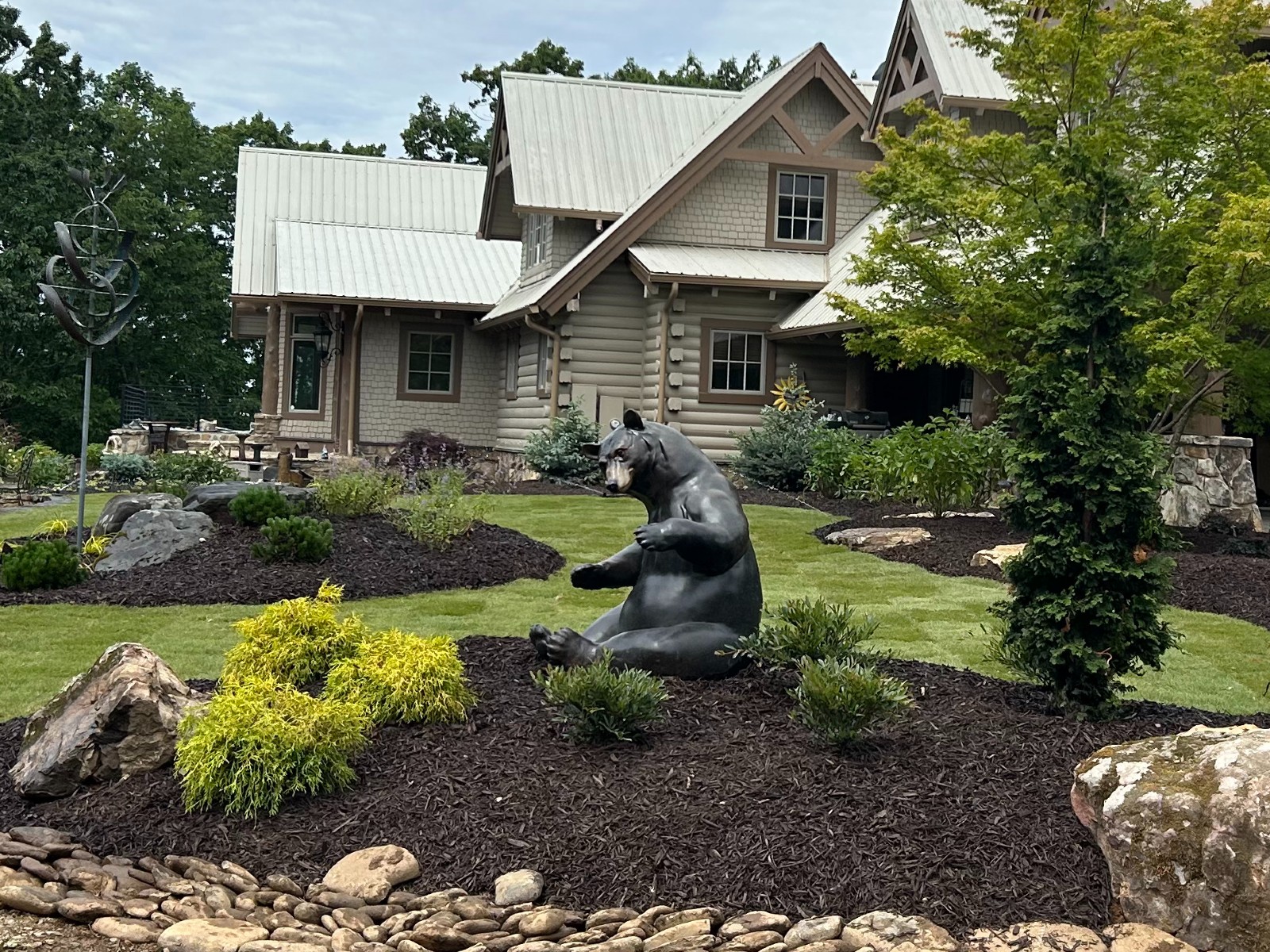
Growth Is Uneven, Thin, or One-Sided
Plants naturally grow toward available light, but severe leaning, open centers, thin foliage, or major differences within the same group can mean the bed has inconsistent conditions.
A row of shrubs may cross from full sun into deep shade. One end may receive irrigation while the other remains dry. Nearby trees may compete for water and nutrients. Wind exposure on a ridge can affect part of the group more than the rest.
A better design may use different plants for each microclimate rather than expecting one repeated variety to perform uniformly across the entire space.
Roots Stay Too Wet or Too Dry
Leaves often show the first visible symptoms, but the underlying problem may be below ground. Plants in poorly drained soil can develop yellowing, dieback, weak growth, or root decline. Plants on fast-draining slopes may wilt and remain undersized even when nearby beds receive enough moisture.
Adding irrigation does not solve every moisture problem. Watering a poorly drained area can make it worse, while shallow, frequent watering may not support deep roots on a dry slope.
Grading, soil preparation, drainage, mulch depth, plant selection, and irrigation should be coordinated. The goal is to create conditions the chosen plants can tolerate rather than continually correcting symptoms.
The Bed Design Makes Maintenance Difficult
Plant health can suffer when beds are difficult to reach. Narrow strips, steep slopes, hidden irrigation, and no maintenance access make it harder to water correctly, prune safely, remove weeds, and monitor developing problems.
Deep beds need stepping access or a layout that allows care from the edges. Slopes may benefit from terracing or plant masses that reduce the need to walk through unstable soil.
A practical design anticipates how plants will be maintained after installation. This protects the investment and helps the landscape keep its intended shape.
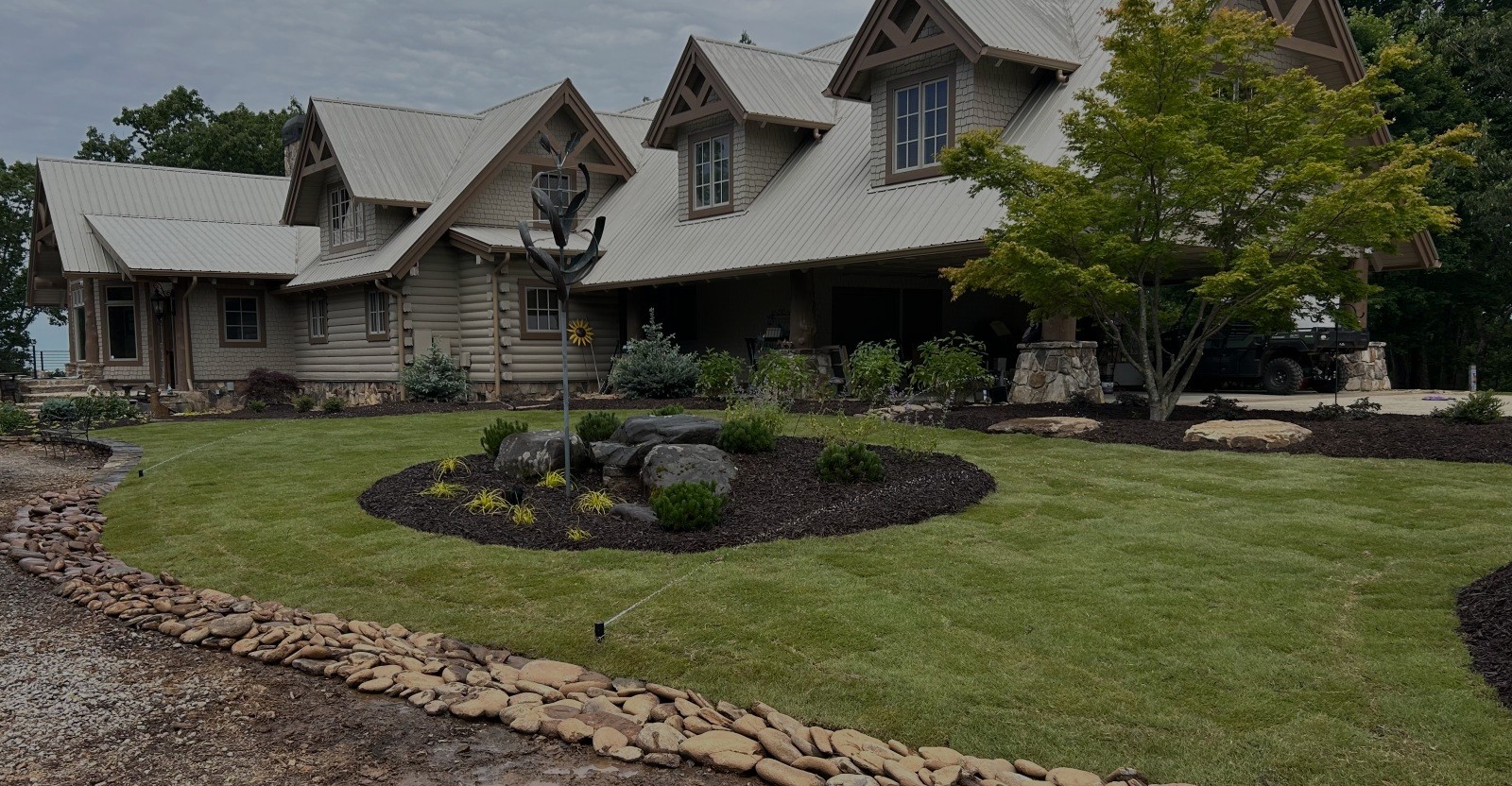
Know When the Design Needs More Than New Plants
If decline is tied to drainage, grade, soil compaction, erosion, or root competition, changing plant varieties alone may not solve the problem. The underlying site issue should be addressed first.
A redesign can preserve healthy plants, relocate suitable material, improve the bed shape, correct water movement, and introduce plants better matched to each area. This is often more effective than continuing a cycle of individual replacements.
Documenting where plants struggle, when symptoms appear, and how conditions change after rain or during summer heat gives the designer useful information.
Serving North Georgia Mountain Communities
Tri-State Landscapes provides landscape design services for homeowners who want a property that looks intentional, functions comfortably, and responds to North Georgia terrain.
Our service areas include:
- Blue Ridge
- Blairsville
- Ellijay
- Hiawassee
- Jasper
- Talking Rock
- McCaysville
- Surrounding North Georgia mountain communities
Our experience with mountain properties helps us coordinate slopes, drainage, access, planting, hardscapes, and outdoor features as parts of one complete landscape.
Frequently Asked Questions
- How can I tell whether a plant problem is caused by poor design?
Repeated decline in the same location, several plants showing the same pattern, crowding, poor drainage, unsuitable light, or difficult maintenance access can indicate a design problem rather than an isolated plant issue. - Why do my shrubs keep dying in the same spot?
The area may have too much or too little water, incompatible sunlight, compacted soil, root competition, reflected heat, or runoff. The site should be evaluated before another shrub is installed. - Can plants be healthy but still be poorly placed?
Yes. A plant may survive while blocking a walkway, covering a window, crowding neighboring plants, or requiring constant pruning because its mature size was not considered. - Will adding more irrigation fix struggling plants?
Not necessarily. More water can worsen poorly drained soil, and irrigation will not correct incompatible sunlight, root crowding, erosion, or inappropriate plant selection. - Can an existing planting bed be redesigned without removing everything?
Often, healthy plants can be retained or relocated while bed lines, drainage, spacing, access, and plant groupings are improved.