How Do I Know My Landscape Layout Is Planned Wrong?
A landscape can look attractive on paper and still feel inconvenient, unfinished, or difficult to maintain after it is installed.
A well-planned landscape should make it easier to move through the property, enjoy outdoor areas, manage water, and care for plants. When those pieces are considered separately instead of as one connected system, homeowners may end up with blocked walkways, isolated gathering spaces, drainage problems, or plants that never seem to thrive.
In North Georgia, steep grades, heavy rain, mountain soils, sun exposure, and mature trees make layout decisions especially important. The right plan responds to the actual property instead of forcing a flat-yard design onto uneven terrain.
Tri-State Landscapes helps homeowners evaluate the whole site and create a landscape layout that improves function, appearance, and long-term performance.
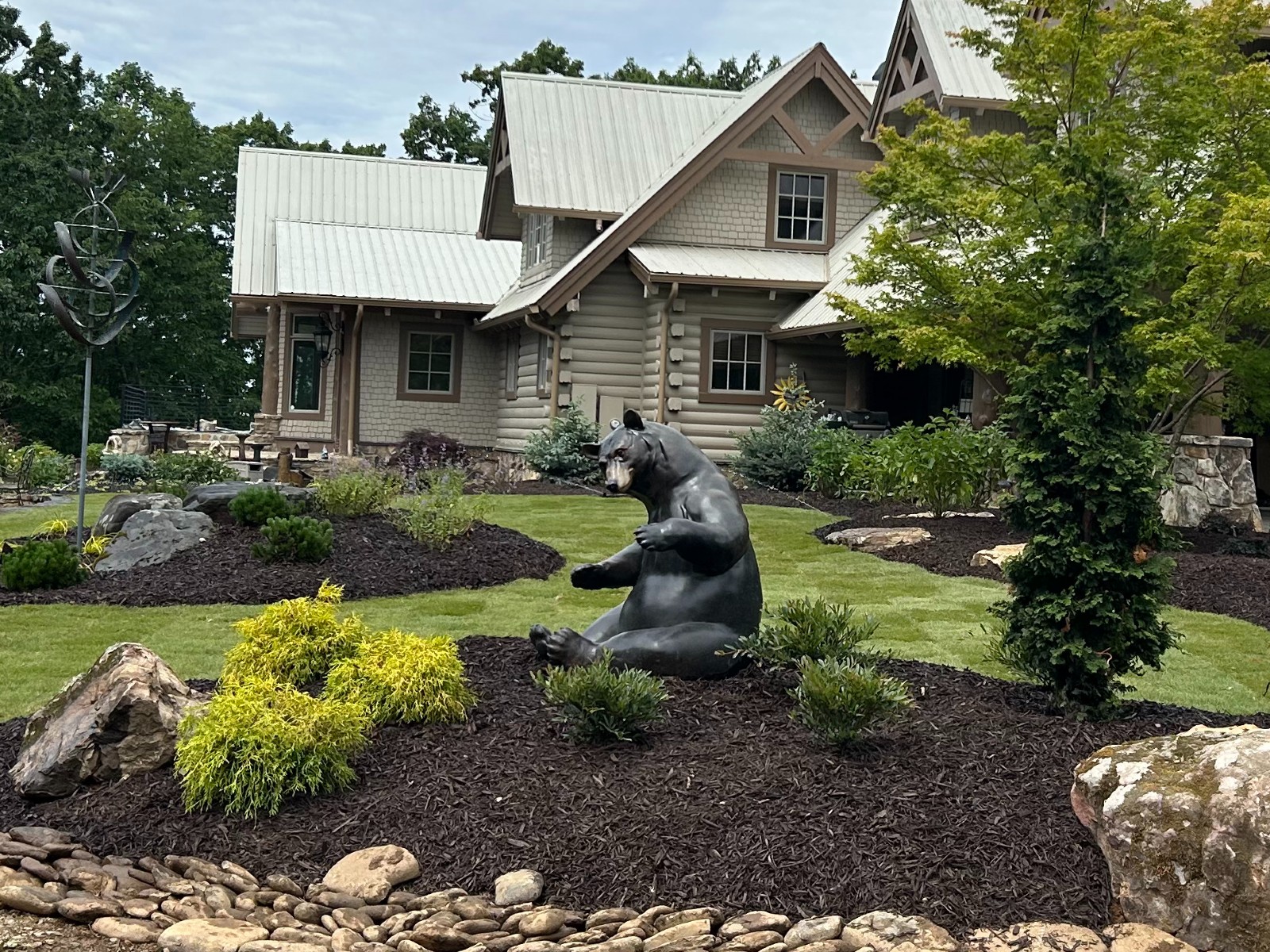
Water Is Moving Through the Wrong Areas
A landscape plan is incomplete if it does not account for water. Downspouts, roof runoff, natural swales, driveway drainage, and water moving downhill all affect where patios, beds, turf, and walkways should go.
Standing water near the home, washed-out mulch, muddy low spots, exposed roots, or sediment collecting on a patio can mean the layout interrupts natural drainage or concentrates runoff in the wrong place.
Drainage should be coordinated with grading and hardscape elevations before installation. Moving a bed or patio on a drawing is much easier than correcting water problems after construction.
Spaces Look Good but Are Hard to Use
A successful landscape is designed around real activities. A patio may be beautifully built but still sit too far from the kitchen, receive uncomfortable afternoon sun, or lack enough room for chairs to move around a table. A fire pit may be placed where smoke drifts toward the house or where the surrounding slope makes seating uncomfortable.
The scale of each feature matters too. Small spaces can feel crowded when oversized elements are added, while large properties can feel unfinished when patios, beds, and trees are undersized or scattered without a clear relationship.
Before approving a layout, picture everyday use: carrying food outside, walking from the driveway at night, entertaining guests, maintaining beds, and reaching utilities. Those routines expose problems that a decorative plan may overlook.
The Landscape Has No Clear Visual Structure
A yard can contain attractive plants and expensive materials but still feel disorganized. This often happens when each area is designed independently, with no repeated materials, plant groupings, focal points, or consistent bed lines connecting the property.
Strong layouts create hierarchy. The front entry receives attention, major views are framed, secondary areas support the main features, and open space gives the eye somewhere to rest. Repeating selected plants, stone, colors, or forms helps separate areas feel like part of one landscape.
The goal is not perfect symmetry. On mountain properties, an intentional layout often follows the land and feels natural while still providing visible order.
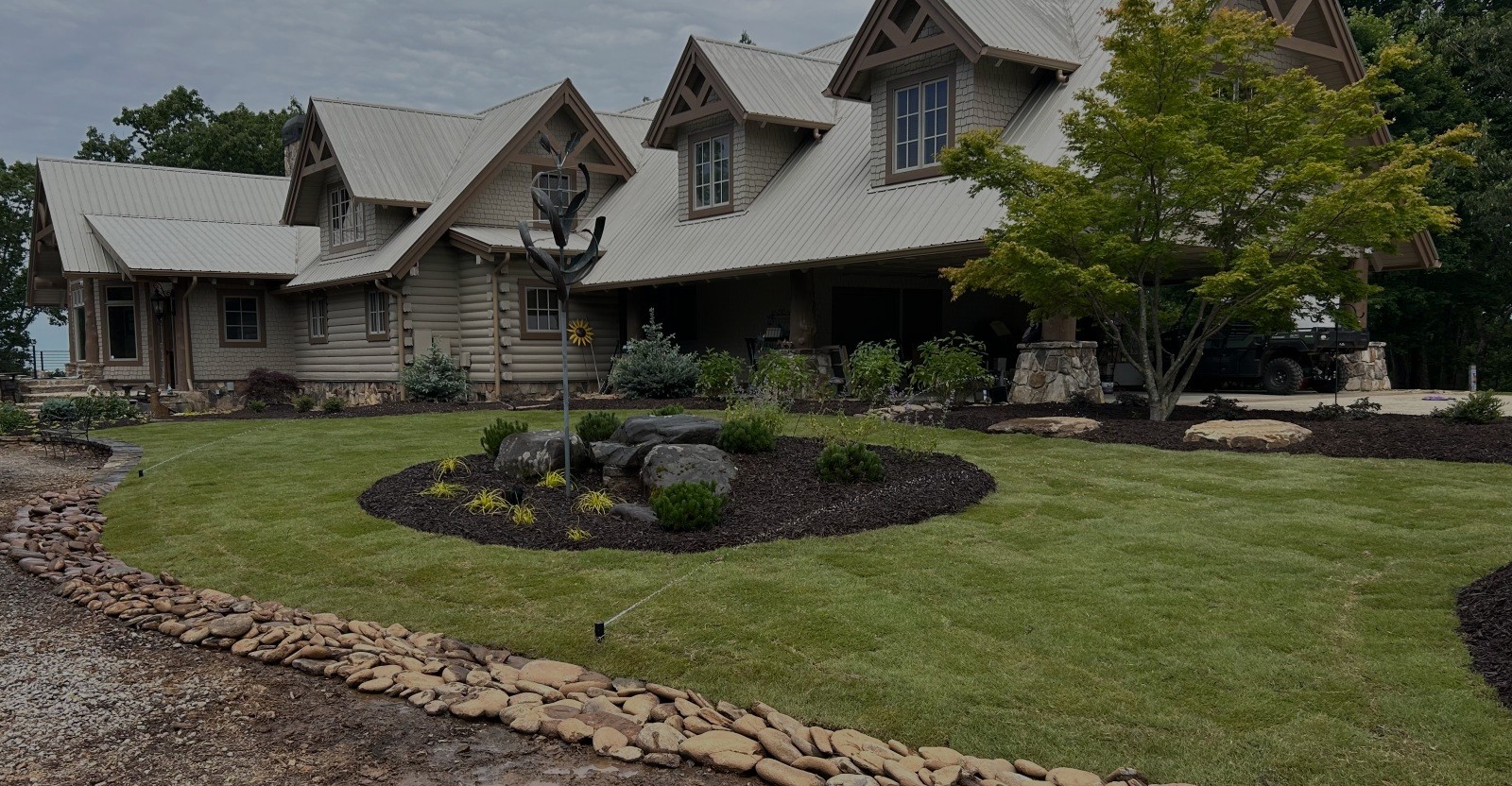
When to Rework the Layout
Not every problem requires removing the entire landscape. Sometimes a targeted correction—such as redirecting runoff, widening a path, relocating a few plants, or connecting a patio to the house—can make the property work much better.
A broader redesign is usually worth considering when several problems overlap, when major construction is planned, or when the outdoor space no longer fits how your family uses the property. A complete plan helps improvements happen in a logical order, even when installation is completed in phases.
- Document where water collects after a heavy rain
- Notice the routes people actually take through the yard
- Track sun and shade at different times of day
- List the spaces your family uses and the ones it avoids
- Identify plants or materials that repeatedly require repairs
Serving North Georgia Mountain Communities
Tri-State Landscapes provides landscape design services for homeowners who want a property that looks intentional, functions comfortably, and responds to North Georgia terrain.
Our service areas include:
- Blue Ridge
- Blairsville
- Ellijay
- Hiawassee
- Jasper
- Talking Rock
- McCaysville
- Surrounding North Georgia mountain communities
Our experience with mountain properties helps us coordinate slopes, drainage, access, planting, hardscapes, and outdoor features as parts of one complete landscape.
Frequently Asked Questions
- What is the biggest sign that a landscape layout is planned wrong?
The strongest warning is usually a repeated functional problem, such as water collecting, people avoiding intended walkways, outdoor areas going unused, or plants consistently failing in the same locations. - Can a bad landscape layout be fixed without starting over?
Often, yes. Targeted changes to drainage, paths, bed lines, plant placement, or connections between spaces may solve the main problems. A site evaluation can determine whether a partial correction or broader redesign makes more sense. - Should drainage be planned before patios and planting beds?
Yes. Existing grades, runoff, downspouts, and hardscape elevations should be understood before finalizing major features so water can be directed safely through the property. - Why does my patio feel disconnected from the yard?
The patio may be too far from the house, poorly connected by walkways, out of scale, or separated from the views and activities that should make it useful. - Does Tri-State Landscapes redesign existing yards?
Tri-State Landscapes develops complete landscape plans for North Georgia properties, including layouts that improve existing planting, drainage, access, hardscapes, and outdoor living areas.